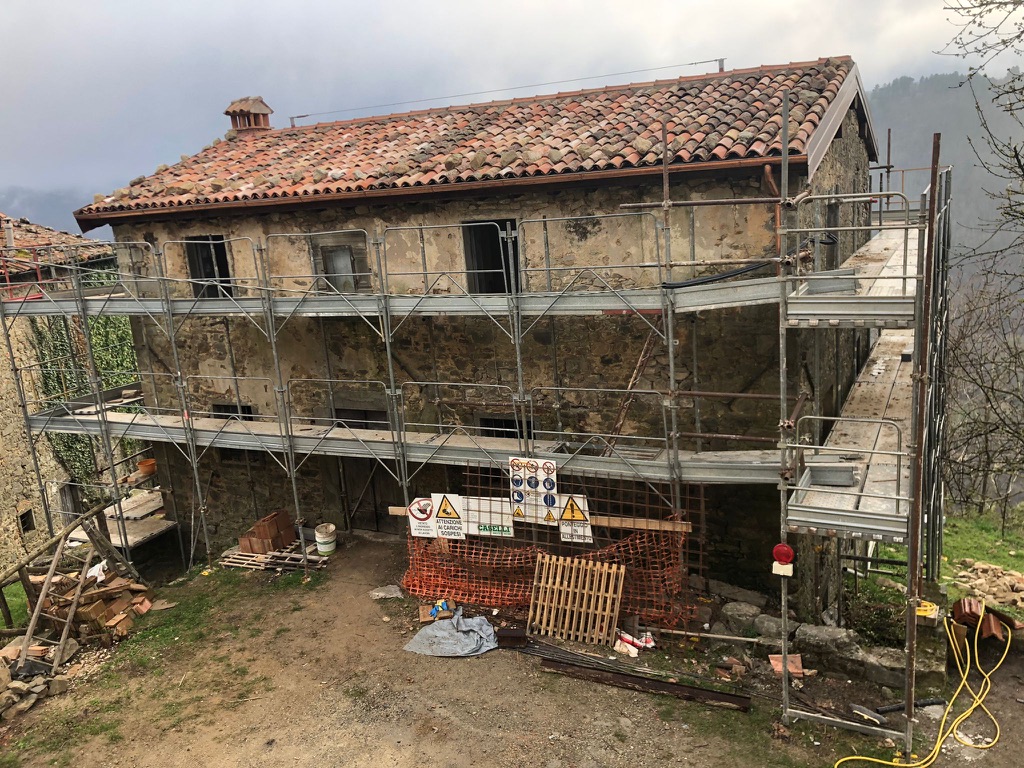
When we bought our house, we knew the first job was to get the house reasonably weather-tight. This meant replacing the roof and windows as soon as possible.
Even when new, the roof and windows provided only the minimum of weather protection. The roof was simple terra cotta tiles sitting on a basic wood frame. The windows used some of the thinnest glass I’d ever seen. And, after years of abandonment, both were far from new. The roof was leaking badly, causing the top-floor ceiling to cave in. Most windows were cracked or broken off their hinges. I could see that every day, and especially each rainstorm, was taking its toll.
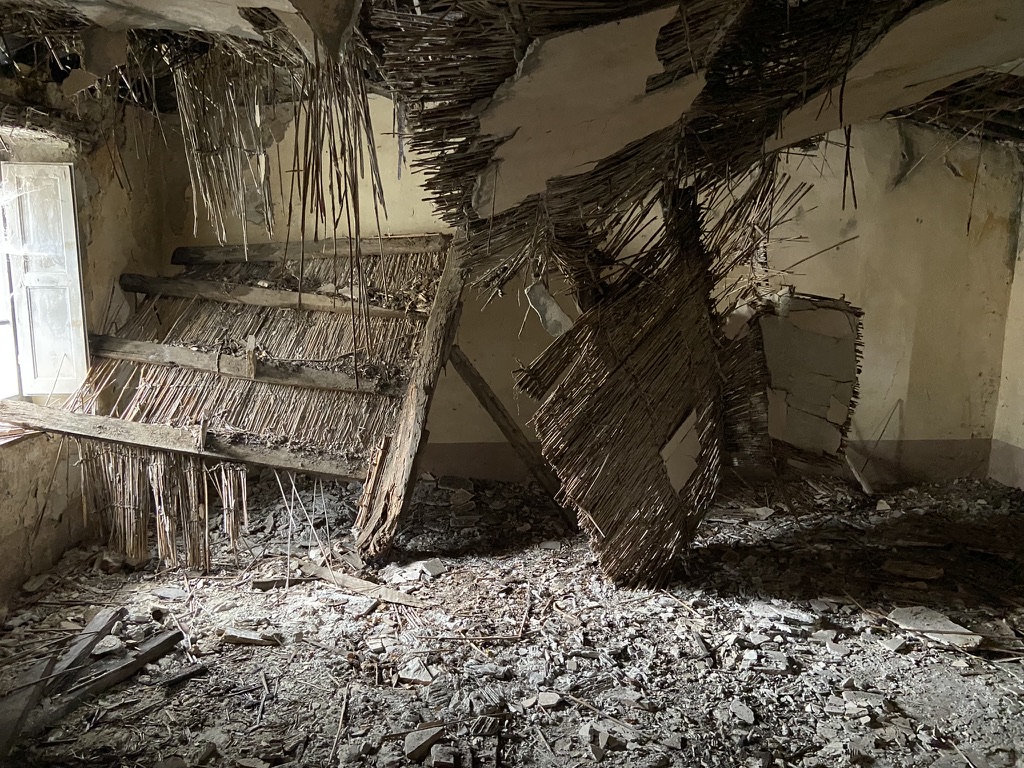
As an aside, the sorry state of the house was perhaps a blessing. Nice-looking roofs and walls tend to hide costly problems, resulting in large and unexpected expenses during construction. We had one architect call our house “honest” because the problems were clear to see. (The dilapidated state may have also scared off other buyers over the 15 plus years the house was for sale. Another bonus.)
Getting Builders
Our first challenge was getting builders. At the time, the Italian government was running a construction incentive program to jump-start the economy after the Covid-downturn. It worked, but a bit too well. We couldn’t get a single builder to reply to our messages for months. Our architect counseled patience, saying once the program ended, builders would free up. He was right. At the end of the program we started getting replies and scheduling meetings with prospective builders.
In the summer of 2023, we had two local builders up to the house to take a look before submitting quotes. They were a study in contrasts. The first arrived to our house in a tiny, ancient Fiat Panda. A man of small, quiet stature, he’d been doing construction in the area for many decades. He silently walked through our crumbing house, pausing a few times, and saying to himself “tranquillo”. The next builder was probably half the age of the first, gregarious, and arrived in a large, immaculate construction truck. Both came highly recommended.
As fate would have it, by the time we requested quotes a few months later, the older builder retired and the second stopped responding to all messages (both from us and his other clients). So we went with a third builder from Lucca, who our architect had worked with before.
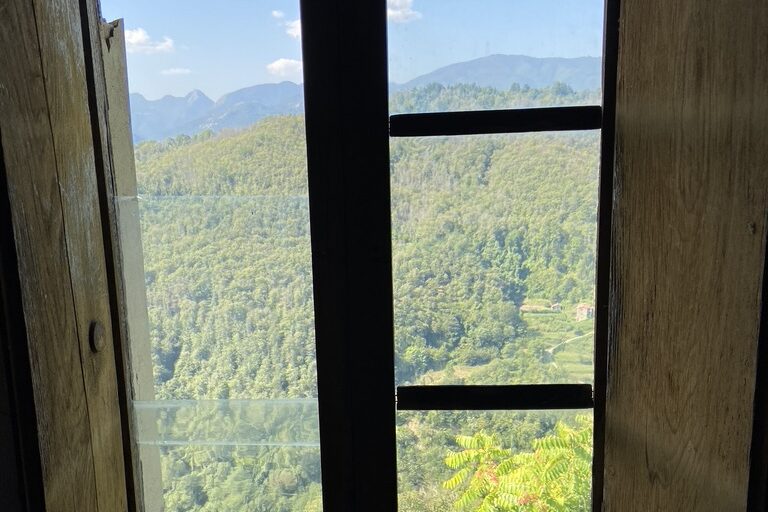
While our house is not cataloged as a historic structure, we are in a historic conservation area. This severely limits what we can do with the building. We cannot change the building’s footprint, increase the height, or change window or door sizes. Generally, if something is on the blueprints, which are based on the original construction, they cannot be changed in the renovation. Any deviation could require years of negotiations with the local comune (municipality). I see this as something of a blessing. Renovations raise near endless decisions, so taking a few off the table can help lower the stress (and cost).
Roof
First and most important was the roof. Not only is the roof critical to protecting the building, it is also a key part of a building’s insulation. For most buildings, 25 to 30% of all heat-loss is through the roof. Since our walls are stone (not a particularly good insulator), we added as much insulation to the roof as possible. I would have loved to add more, but we couldn’t increase the building height due to the historic preservation rules.
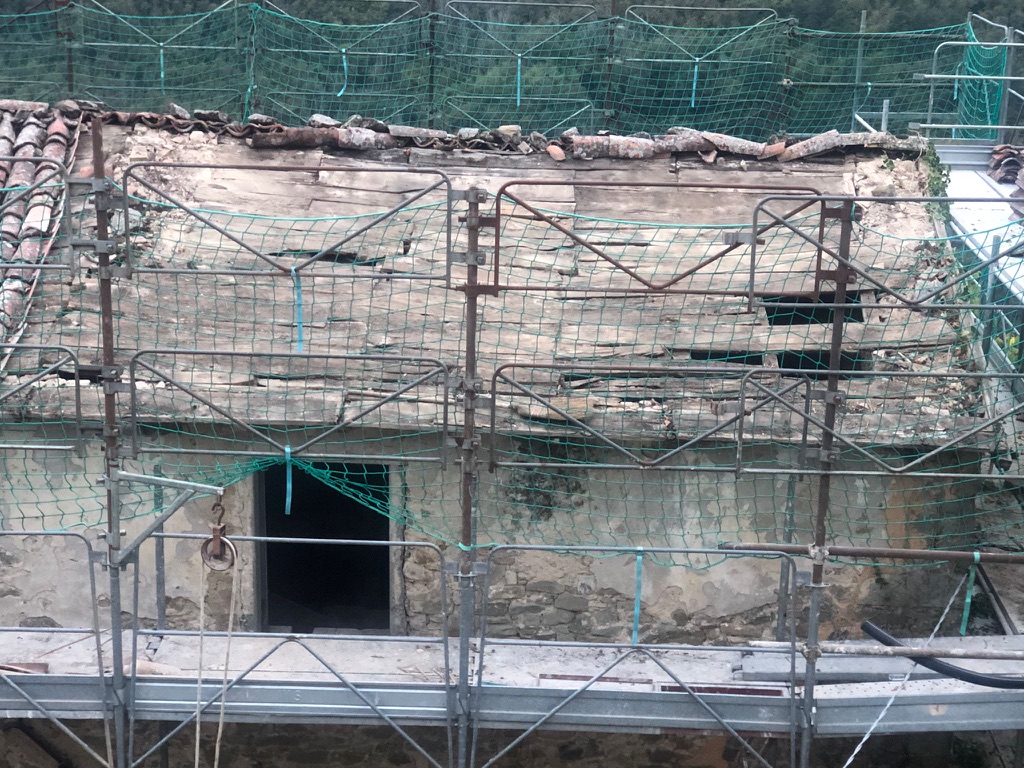
We also added a concrete ring-beam for earthquake protection. Most of Italy is seismically active, so earthquakes are important to consider. (You don’t get beautiful mountains without some geologic drama.) Italy uses a 4-level severity meter, with our house being in zone 2, the second most severe risk of earthquakes.
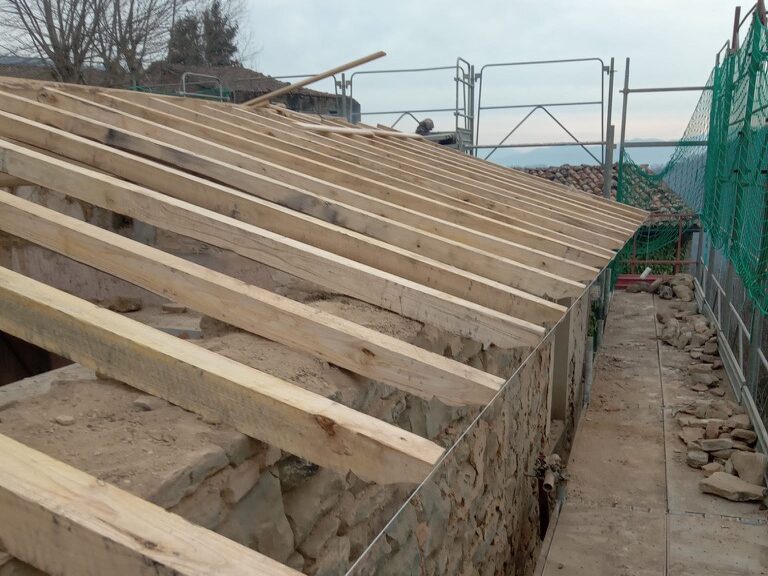
Prior to construction, we had a geologist look at our land and an engineer assess the building. Both came back with good news. We weren’t far from bedrock and our walls were solid. Considering the house has stood for more than 300 years (likely through a few shakes here and there), this news added some reassurance. Nonetheless, we chose to add a concrete ring beam to consolidate the walls. Adding the extra stability seemed prudent, even with the extra cost.
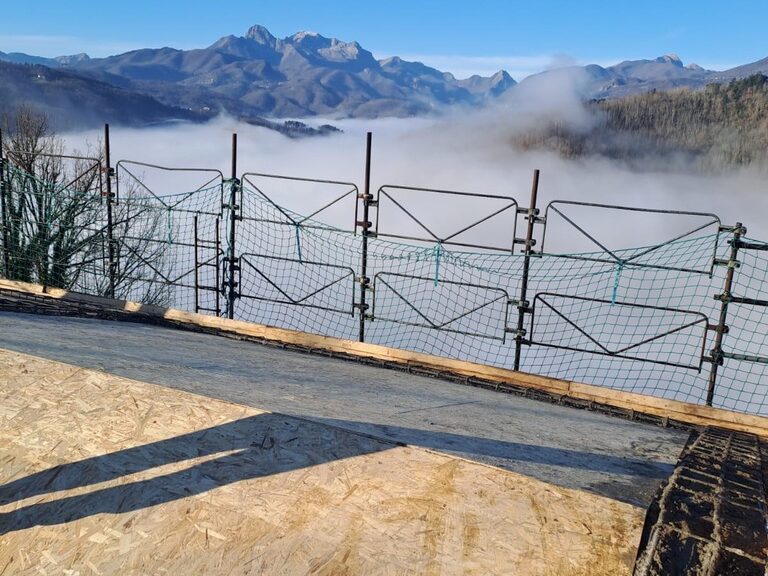
We also added a skylight to the guest bedroom. Since this room has only two windows, one shaded by a large tree, our architect suggested the window. Given the historic conservation rules, this was the only way to bring in more natural light. Having seen the result, I wish we’d added a skylight to the master bedroom. I’m always surprised how much light skylights bring in.
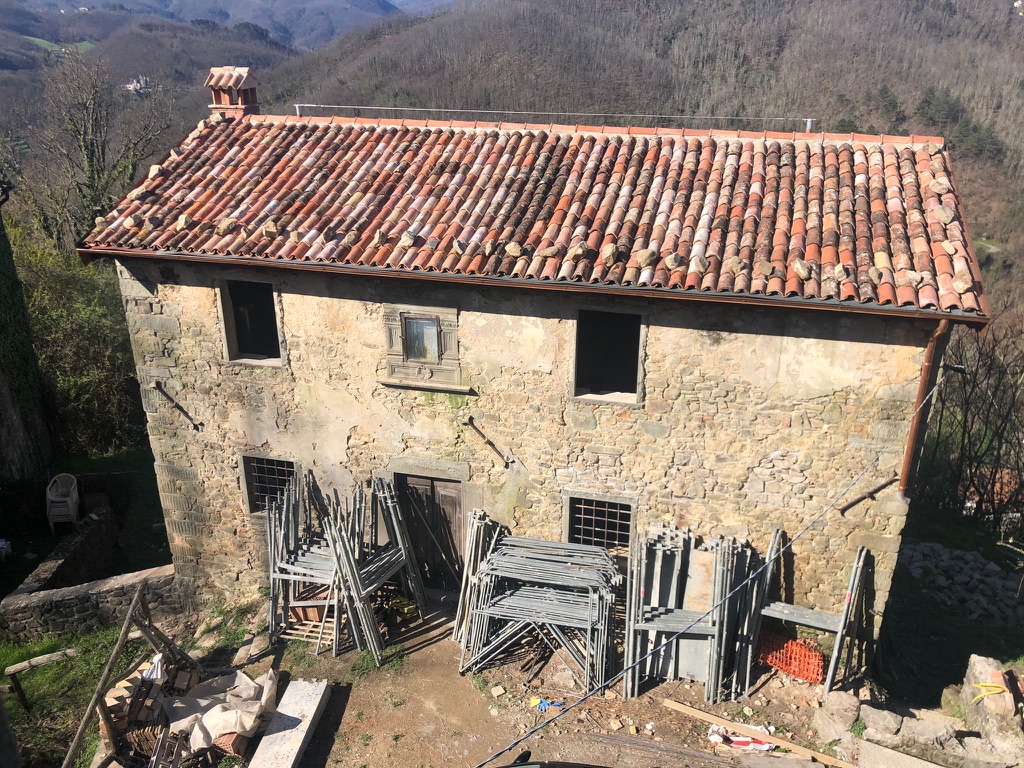
After a few months of construction the roof was finished and the scaffolding came down. I wanted to redo the exterior plaster and stonework while the scaffolding was up, but that was many thousands of Euros more than we had available for this phase
Windows
With the roof complete, attention turned to the windows. Specifically, we needed to replace 14 windows across three floors, and one door to a small Juliet balcony on the middle floor. There are two doors in the lowest floor which we’ll add later.
I explored a variety of different window options, and was tempted by the easy maintenance of plastic and metal frames. Friends in the area had informed us of the regular maintenance and refinishing needed with wood frames. To help decide, I asked my architect, who informed me that wood was required per the historic conservation rules. Now, he said this with a wry smile, and quickly added it would be sacrilege to put anything but wood frames. He’s right of course, and I never bothered to check if this is a real rule.
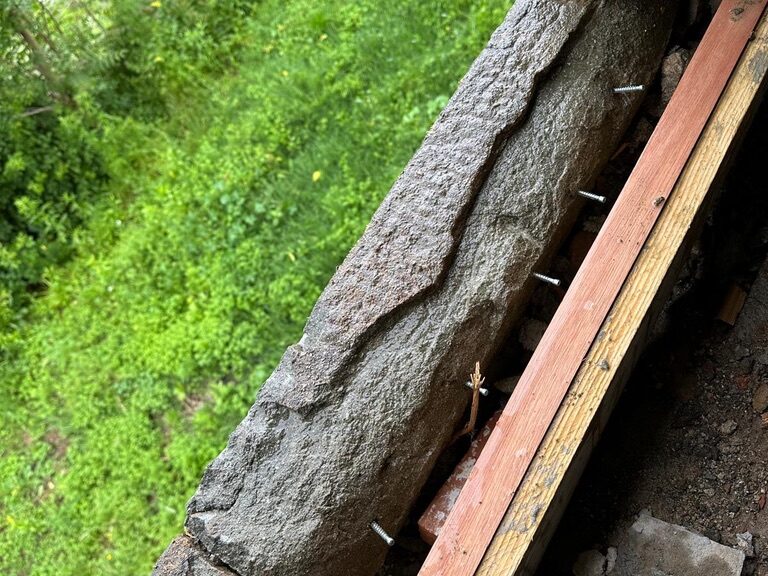
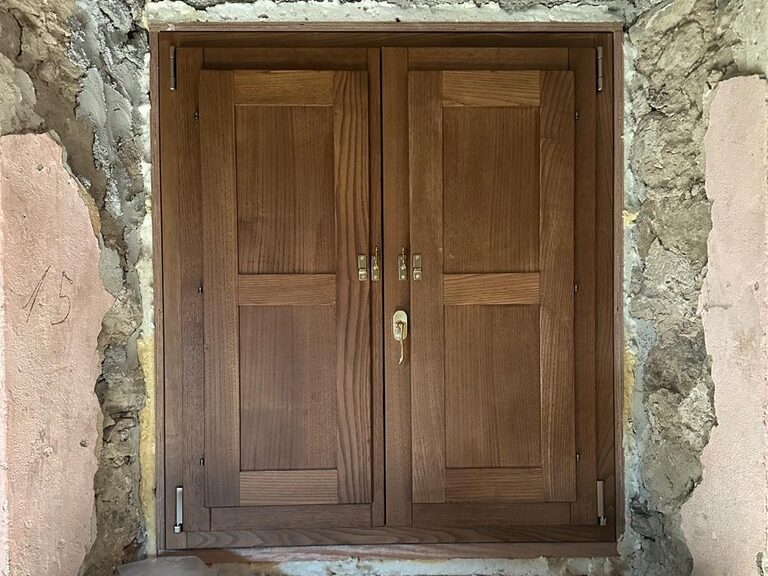
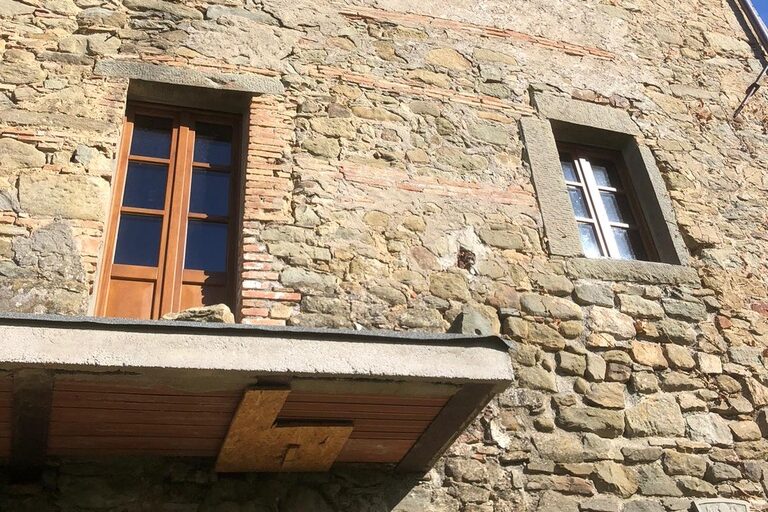
This being an old house, every window is a different size and shape. One of the first steps was to rebuild every window casing. Many had damaged stone sills, so the carpenter would create a temporary frame, pour concrete, and blend it into the existing stonework. He did a beautiful job, and it is often difficult to see where the original stonework ends and the new repairs begin.
The new windows were then handmade of chestnut and double-paned glass. The workmanship is beautiful and I expect them to last many decades (with the appropriate maintenance of course).
Other Work
The windows and doors were not the only work done in this phase. Several other important projects were completed as well.
New floor: The floor beams on half the top floor suffered badly with the leaking roof and needed replacing. So half the of the top floor is new. The prior floor was supported by many small beams. Now, two tree-sized chestnut beams hold our new floor.
Septic system: While we have municipal water and electricity, there is no municipal septic system in our hamlet. So, we had an Imhoff septic tank installed and a line dug to the house.
Fixing prior work: Our house’s prior owners started renovating before they decided to sell. Unfortunately, several changes did not match the plans submitted to the commune. To ensure our house was following the approved plan, we needed to make a number of small changes. These included chopping the already small balcony in half, reducing the size of an exterior door, and adjusting an interior wall.
What’s Next
This phase took nearly a year, from September 2023 to August 2024, with a number of stoppages due to the builder’s other commitments, material shortages, and other reasons. Nothing is ever easy with these sorts of things I suppose, especially in rural Italy.
So what’s next? I’ll share more in a later update, but our next goal is to get the house livable. This work was getting the house stabilized. But with no interior plumbing or electrical, we cannot actually stay there. Out simply, our next step is to get a bedroom, bathroom, and small kitchen built. Stay tuned for more!
Comments
This post has no comments.